
The Great Email Unsubscribe Project of Last Tuesday
I spent forty-seven minutes last week unsubscribing from newsletters I apparently signed up for in some fever dream of productivity optimization. You know the ones. “7 Morning Habits That Will Transform Your Life Before 6 AM” and “The Secret Productivity Hack Every Successful Person Uses.” I must have been going through something back in 2019 because my inbox looked like a self-help book exploded.
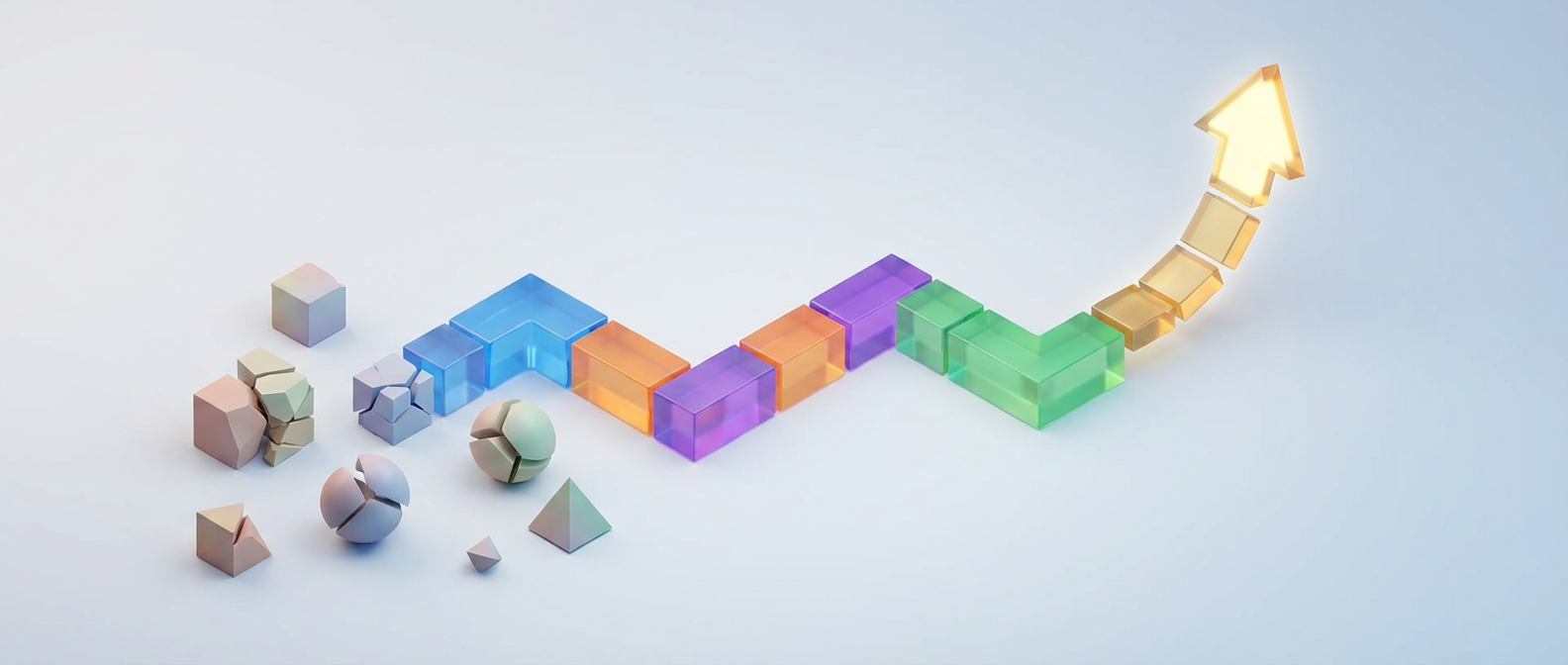
The funny thing is, I can trace the exact moment I stopped believing in morning routines. It was 6:23 AM on a Thursday, standing in my kitchen holding a green smoothie that tasted like lawn clippings mixed with false hope. I was supposed to journal next, then meditate, then read something that would make me a better human being before most people had their first cup of coffee. Instead, I poured the smoothie down the drain and made toast. Revolutionary stuff.
Now my morning routine is whatever feels right that day. Sometimes it’s twenty minutes with a book. Sometimes it’s staring out the window at the neighbor’s cat who has figured out how to open their bird feeder. That cat has never read a productivity newsletter in its life, and it seems to be doing just fine.
The Networking Events That Taught Me About Loneliness
I used to show up to every professional networking event within a fifteen-mile radius, armed with business cards and what I thought was charming small talk. These events always happened in hotel conference rooms that smelled like industrial carpet and lukewarm coffee, filled with people practicing their elevator pitches on each other like some kind of professional speed dating.
The breaking point came at a “Women in Business” mixer where I spent twenty minutes talking to someone who kept looking over my shoulder for someone more important to materialize. When she finally spotted her target and excused herself mid-sentence, I realized I had been doing the exact same thing to other people all evening. We were all just scanning the room, hoping to find the person who would change our lives, while missing the perfectly interesting humans standing right in front of us.
These days, the best professional connections I’ve made have happened in grocery store lines and at my kid’s school pickup. Turns out, when you’re not trying to network, people actually want to talk to you. Who would have thought that genuine curiosity about someone’s weekend plans could be more effective than a perfectly rehearsed pitch about synergistic solutions?
The Social Media Strategy That Wasn’t
For about eighteen months, I maintained what I generously called a “social media strategy.” This involved posting inspirational quotes over sunset photos, sharing articles I had skimmed but not actually read, and crafting captions that sounded like they were written by someone much more put-together than I actually am. I had spreadsheets. I tracked engagement metrics. I knew exactly what time of day my audience was most likely to double-tap a photo of my coffee.
The problem was that my online self was starting to feel like a part-time job I didn’t remember applying for. I would catch myself thinking “this would make a good post” instead of just experiencing whatever was happening. My daughter’s first successful bike ride became content. A perfectly ordinary Tuesday sunset became content. Even my failures had to be repackaged as “authentic moments of growth” with the right filter and hashtags.
I still post things occasionally, but now it’s more like leaving notes for friends than performing for an algorithm. Sometimes I post a picture of my lunch not because it’s photogenic, but because I genuinely want to remember that I figured out how to make decent fried rice on a random Wednesday. The metrics are terrible, but the peace of mind is excellent.
The Optimization of Everything
I used to track everything. Steps, sleep cycles, water intake, screen time, meditation streaks, reading goals, spending categories broken down into subcategories that had their own subcategories. I had apps monitoring my apps. My phone buzzed with reminders to be mindful, which seemed to defeat the purpose of mindfulness entirely.
The final straw was when I found myself standing in my kitchen at 11:47 PM, forcing down a glass of water not because I was thirsty, but because my hydration app said I was 12 ounces short of my daily goal. This is what optimization brain does to you. It turns basic human needs into performance metrics and makes you forget that your body is actually pretty good at telling you when it needs things.
I still use some tracking tools, but only the ones that feel helpful rather than demanding. My running app, yes, because I like seeing the routes I’ve explored. My habit tracker, no, because apparently I can brush my teeth without gamifying the experience. The goal now is to optimize for feeling human, which is messier than a spreadsheet but significantly more sustainable.
What’s Left When You Stop Trying So Hard
Here’s what nobody tells you about giving up the things that aren’t working: the space they leave behind doesn’t immediately fill with something better. For a while, you just have space. Empty calendar slots. Quiet mornings. The slight anxiety of not knowing if you’re doing enough, being enough, optimizing enough.
But then something interesting happens. You start noticing what you actually want to do with that time and energy. Maybe it’s calling your sister more often, or finally learning to bake bread without consulting seventeen different recipes, or reading books that have nothing to do with self-improvement. Maybe it’s just sitting with your coffee for five extra minutes without documenting the experience for posterity.
I’m still figuring this out, obviously. Last week I almost signed up for a course on “Mindful Time Management,” which would have been hilarious if it weren’t so predictable. But catching myself in the act feels like progress. I’m getting better at recognizing when I’m trying to solve problems I don’t actually have, or optimize experiences that were fine to begin with.
What about you? What have you stopped doing lately that maybe deserved stopping? I’m curious what other people’s experiments in subtraction look like, because I suspect we’re all carrying around strategies that made sense at one point but have outlived their usefulness. Sometimes the best productivity hack is just admitting that you’re productive enough already.