The Shift Nobody Really Talks About
I used to think conversations about food were pretty static. You either felt guilty about what you ate, or you didn’t. You wanted to lose weight, or you were fine where you were. You grabbed snacks mindlessly at the grocery store, or you had admirable discipline. These categories felt permanent, like personality traits. But something shifted in the last couple of years, and I didn’t fully see it until a friend mentioned that she’d been eating differently without really knowing why.
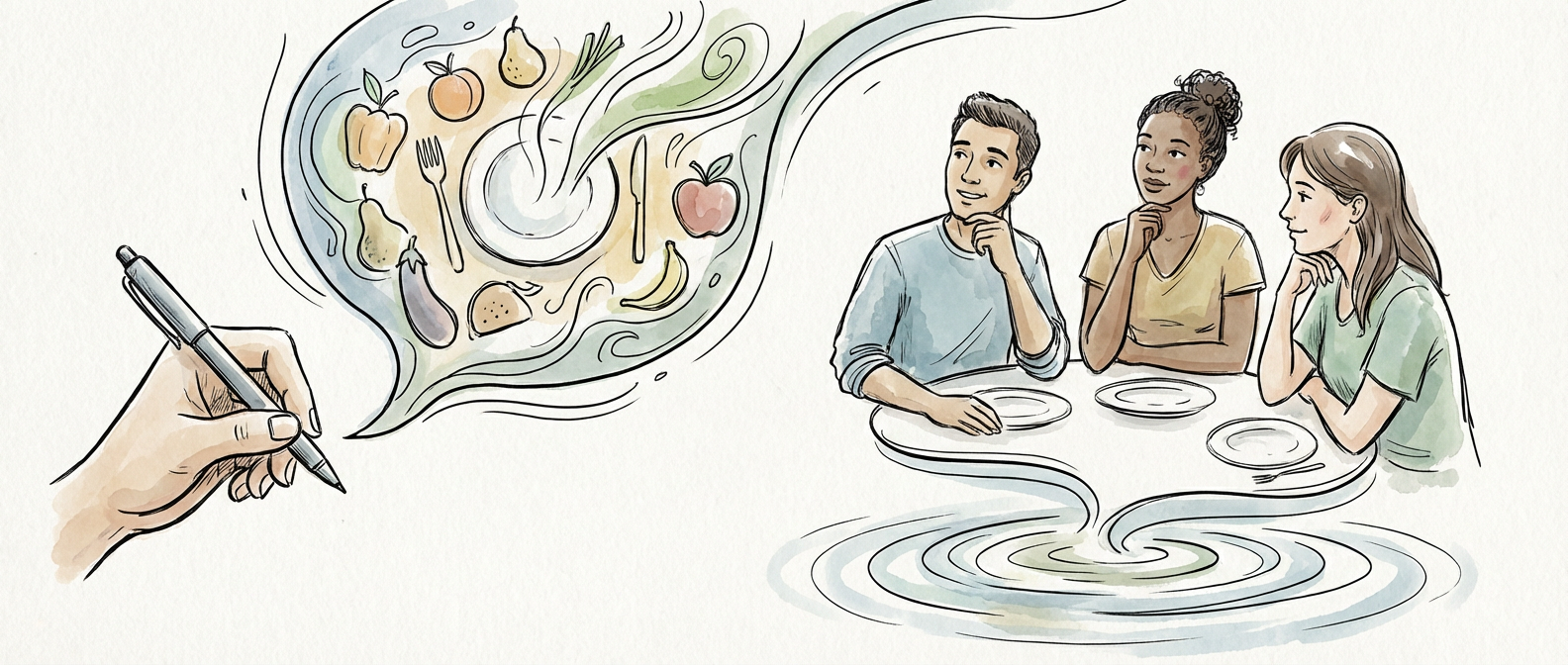
It wasn’t a New Year’s resolution. It wasn’t a diet. She just said she’d started thinking about portion sizes in a way she never had before, that she found herself ordering less at restaurants, that a bag of chips sat in her pantry now instead of disappearing in an evening. When I asked what changed, she kind of laughed and said: “I don’t know exactly. The whole world is talking about appetite suppressants. I guess I’m just more aware of how much I actually eat when nobody’s forcing me to.”
That conversation has stayed with me because it captures something real and weird that’s happening right now. We’re in the middle of a genuine cultural reckoning with how we think about hunger, satisfaction, and food itself. And the interesting part? Most of us aren’t even taking the medication.
The Numbers Tell a Story We’re Still Processing
Let’s get specific about what’s happening. According to IQVIA GLP-1 market data, over 9 million Americans have active prescriptions for these drugs as of mid-2025. That’s not a niche thing anymore. That’s mainstream. That’s your coworker, your neighbor, maybe someone in your family. That’s enough people to actually move markets.
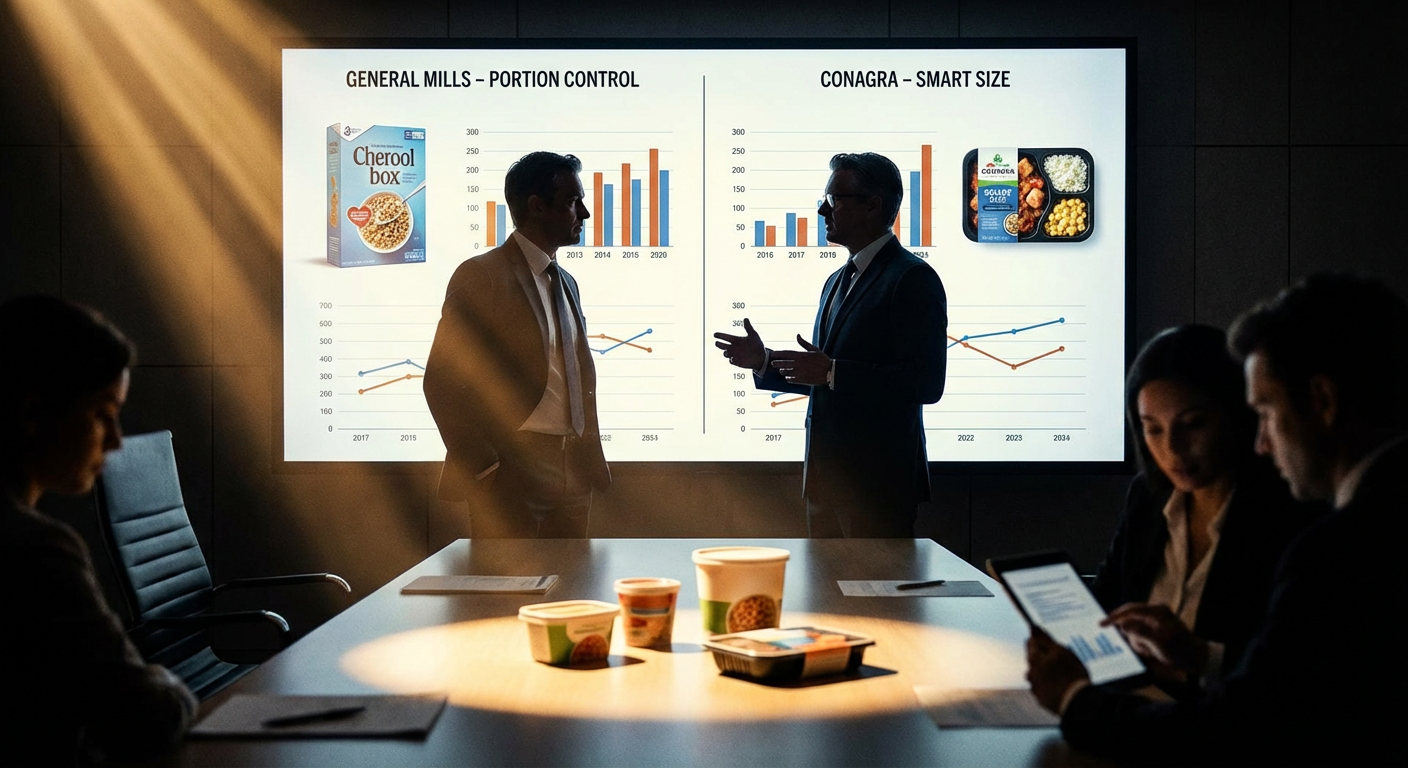
And the markets have noticed. General Mills and Conagra, two of the biggest food companies in America, have both publicly stated that they’re reformulating their products specifically because of the GLP-1 user market. Smaller portions. Different packaging. A whole rethinking of what a “standard serving” even means. These aren’t companies known for reinventing themselves on a whim. They’re responding to something tangible.
But here’s where it gets interesting: a 2025 Gallup poll found that 41% of Americans said the awareness of these drugs had changed how they think about eating. Forty-one percent. That’s nearly half the country shifting their relationship with food, and most of them aren’t taking any medication at all. They’re just existing in a cultural moment where appetite suppression is no longer fringe. It’s normal. It’s discussed in group chats and overheard at dinner parties. It’s real enough to actually change behavior.
The snack food industry has felt this most acutely. A 12% year-over-year decline in snack food volume sales in the US in 2025, with analysts pointing partly to this cultural ripple effect. That’s not nothing. That’s the shape of collective consciousness showing up in quarterly earnings reports.
What Changed in My Own Head
I think what’s happening is that we’re all becoming more aware of what hunger actually is, versus what we’ve been taught it should be. For years, diet culture told us that hunger was something to conquer, that eating less was always the moral high ground, that your body’s signals were basically your enemy. It was exhausting and, frankly, a pretty effective way to hate yourself.
But then a medication became common enough that people started talking openly about what appetite suppression actually feels like. And I realized I’d never actually heard someone describe it without shame. They weren’t saying “I have no willpower.” They were saying “I eat when I’m hungry, and I’m not hungry as much.” Something shifted in how normal that sounded.
The weird part is that this has made me think more carefully about my own eating, not less. When the default assumption is no longer “you should feel hungry all the time and resist it,” I started noticing things I’d missed before. Like how much of my eating was actually boredom or habit. Like how often I finished meals without tasting them. Like how I could actually distinguish between physical hunger and the phantom hunger that shows up at 3 PM because that’s when I usually snack.
I’m not saying this is good or bad. I’m saying it’s real, and it’s changing how people think about food whether they’re taking anything or not.
The Conversation We Need to Have
Here’s where I want to be honest about the complexity, though. Researchers at Yale Rudd Center for Food Policy research published important cautionary work in 2025 about what happens when appetite suppression becomes normalized through medication. They pointed out that as this becomes more common, there’s real risk of deepening weight stigma for people who either can’t access these drugs, choose not to take them, or simply have different bodies and relationships with food.
Which is fair. Because right now there’s this undertone creeping into conversations where appetite suppression feels like the obvious answer, the efficient solution, the thing everyone’s sort of doing or thinking about doing. And that creates its own pressure. It creates a new normal against which people measure themselves.
I don’t think the answer is to pretend this shift isn’t happening or to reject it entirely. But we should probably be intentional about it instead of just letting it happen to us. We’re in a moment where something fundamental is changing about how we think about hunger and satisfaction, and that deserves more than a shrug.
What I’m Still Figuring Out
The truth is I’m still processing this. I changed my mind about things I thought were pretty settled. I thought diet culture was the main force shaping how we eat, and it still is, but now there’s also this medication-driven cultural shift that’s created space for different conversations. I thought people would be ashamed to talk about appetite suppression, and instead it’s become pretty matter-of-fact. I thought the food industry would resist these changes, and instead they’re actively redesigning their products.
What I keep coming back to is this: we’re all influencing each other, whether we’re taking medication or not, whether we’re consciously trying to change or just existing in the world. The conversation has shifted. Our food landscape has shifted. Our awareness of hunger and satisfaction has shifted. The honest thing to do is notice that, think carefully about what it means, and stay curious about where it leads.
I’m genuinely interested in how this is landing for you. Have you noticed this shift? Has it changed how you think about eating, or is it all kind of background noise? Drop a line in the comments. I think we’re all still figuring this out.