
There is a particular kind of New York City morning that smells like wet cardboard and opportunity. I am standing in my kitchen, which is also my living room, which is also, on certain desperate days, my rehearsal studio. I am between gigs. Again. And I am trying to remember if I am a person who thrives on routine or a person who is slowly being murdered by it.
This is not a philosophical question. It is a practical one. When you are a theater performer in this city, your schedule is not a schedule. It is a rumor. One week you are waking up at 5:30 a.m. for a day-player shoot, the next you are sleeping until noon because you got home at 2 a.m. from a bar shift, and the next you are staring at a wall wondering if you should learn a new monologue or just lie down on the floor for a while. Routine, in this context, is not a luxury. It is a survival mechanism. And creativity, that slippery, beautiful, infuriating thing, does not always want to cooperate with a color-coded calendar.
So let’s talk about it. Not in the abstract, not in the way of productivity gurus who have never had to choose between a voice lesson and a MetroCard refill. Let’s talk about what it actually means to build a creative routine when your life is held together with gaffer tape and hope.

What Routine Actually Is (and What It Is Not)
Routine is not a prison. It is a container. A good routine is like a well-built rehearsal schedule: it gives you boundaries so you can play inside them. It is the difference between walking into an empty room and saying “I could do anything” and walking into an empty room and saying “I will do this one thing for twenty minutes.” The first is paralyzing. The second is a warm-up.
For performers, routine is often mistaken for monotony. We are supposed to be spontaneous, right? We are supposed to be available for the muse, for the audition that comes at 9 p.m. the night before, for the sudden call from a friend who needs a last-minute understudy. But spontaneity without a foundation is just chaos. And chaos is expensive. It costs you sleep, it costs you money, it costs you the ability to remember where you put your headshot.
I have learned, through many years of trial and error and one memorable month where I ate nothing but bodega egg sandwiches because I forgot how to grocery shop, that routine is not about doing the same thing every day. It is about having a few fixed points in a shifting landscape. A morning coffee. A vocal warm-up. A walk to the same corner for the same overpriced iced tea. These are not creative acts. They are the scaffolding that allows creative acts to happen.
The Union of Routine and Creativity
Here is the thing nobody tells you in drama school: creativity is not a lightning bolt. It is a muscle. And muscles need regular, boring, unglamorous exercise. The myth of the tortured artist who waits for inspiration is a myth that sells tickets and ruins lives. The actual working artists I know — the ones who are still doing this at 40, 50, 60 — are the ones who show up. They show up to the page, to the rehearsal room, to the voice lesson, to the dance class, even when they are tired, even when they are broke, even when they are pretty sure they have no talent left.
Routine is how you show up. It is the agreement you make with yourself that you will do the work even when the work is bad. And sometimes the work is very bad. I have written monologues that should be buried in an unmarked grave. I have sung scales that made my cat leave the room. But the showing up is the point. The showing up is what makes the good days possible.
There is a concept in psychology called implementation intentions. It is a fancy way of saying “if-then” plans. If it is 9 a.m., then I will do my vocal warm-up. If I finish my coffee, then I will write for twenty minutes. The research on this is pretty clear: people who make specific plans are more likely to follow through than people who just say “I should practice more.” You can read more about it from the American Psychological Association if you want the science. I just know it works.
The City That Eats Routines for Breakfast
New York City is not designed for routine. It is designed for interruption. The subway is late. The landlord is raising the rent. The audition is at 10 a.m. in Midtown and the callback is at 3 p.m. in Brooklyn and you have a shift at the restaurant in between. The city is a machine for generating unpredictability. And yet, somehow, we are supposed to be disciplined artists.
I have tried every routine system known to humanity. I have used paper planners, digital calendars, sticky notes, bullet journals, and one very ill-advised app that sent me push notifications saying “You are not practicing enough.” I have tried waking up at 5 a.m. to write before my day job. I have tried staying up until 2 a.m. to write after my day job. I have tried writing on the subway, which is a great way to get your notebook stolen.
What I have learned is that the routine has to be flexible. It has to bend with the city. If you are a performer between gigs, your schedule is not your own. You are at the mercy of auditions, survival jobs, and the occasional emergency rehearsal. So the routine cannot be a rigid grid. It has to be a set of movable anchors. A ten-minute vocal warm-up that can happen in a bathroom stall. A five-minute journaling practice that can happen on a park bench. A weekly dance class that you protect with your life, even if it means turning down a shift.
The city will eat your routine if you let it. But it will also feed your creativity if you know where to look. The trick is to build a routine that is sturdy enough to survive the city and loose enough to let the city in.

What a Performer’s Routine Actually Looks Like
Let me be concrete. Here is what a typical between-gigs day looks like for me, when I am being good:
7:30 a.m. Wake up. Do not check my phone. This is a rule. The phone is a portal to other people’s needs. My needs come first.
7:45 a.m. Coffee. I make it at home because I cannot afford to buy it every day. This is a budgeting decision as much as a routine decision. A $5 latte every day is $150 a month. That is a voice lesson. That is a pair of dance shoes. That is a month of groceries if I am careful.
8:00 a.m. Vocal warm-up. Ten minutes. Lip trills, humming, sirens. Nothing fancy. Just enough to remind my body that I am a singer, even if I am not currently being paid to be one.
8:15 a.m. Writing. Twenty minutes. Sometimes it is a journal entry. Sometimes it is a monologue. Sometimes it is a list of things I am angry about. The point is to put words on a page before the day has a chance to tell me who I am.
8:45 a.m. Breakfast. Usually eggs. Sometimes oatmeal. Always cheap.
9:30 a.m. The day begins. Auditions, survival job, errands, whatever the city throws at me. The routine is done. The anchors are set. The rest of the day can be chaos, but I have already done the work.
This is not a perfect routine. It is not even a consistent routine. Some days I wake up at 10 a.m. because I worked a late shift. Some days I skip the writing because I have a 9 a.m. audition and I need to save my voice. But the structure is there. The intention is there. And that is enough.
The Creative Benefits of Boring Repetition
Here is a secret: boring repetition is where the good stuff lives. When you do the same warm-up every day, you stop thinking about the warm-up. Your body does it on autopilot. And then your brain is free to wander. That is when the ideas come. Not during the big dramatic moments, but during the small, repetitive ones. In the shower. On the walk to the subway. In the middle of a lip trill.
This is why so many artists have weird little rituals. Maya Angelou rented a hotel room to write in, even though she had a house. Beethoven counted out exactly 60 coffee beans for his morning cup. These are not superstitions. They are ways of telling the brain, “We are doing the creative thing now. You can relax.” The routine is the signal. The creativity is the response.
For performers, this is especially important because so much of our work is physical. The body needs repetition to learn. You cannot learn a dance combination by doing it once. You cannot build vocal stamina by singing one song. You have to do the boring thing over and over until it becomes part of you. And then, one day, you are on stage and the boring thing has become magic.
When Routine Becomes a Rut
Of course, there is a dark side. Routine can become a rut. It can become a way of avoiding risk. If you do the same warm-up every day for ten years, you might stop noticing that it is not working anymore. If you write at the same time every day, you might stop writing anything new.
I have been there. I once had a routine so rigid that I panicked if I missed a single day of journaling. I was not being creative. I was being compulsive. The routine had become the point, and the creativity had withered.
The cure, I have found, is to build in deliberate disruption. Once a month, do something different. Take a dance class in a style you have never tried. Write a scene in a genre you hate. Sing a song that is completely wrong for your voice. The routine is the container, but the container needs air holes. Otherwise, you are just pickling yourself.
This is where the city helps. New York is a constant source of disruption. You cannot be too rigid here. The city will not allow it. The subway will break. The audition will be canceled. The rent will go up. And you will have to adapt. That adaptation is a form of creativity. It is the creativity of survival.
Routine and the Union Rules
As a performer, I am also a union member. And union rules, believe it or not, are a form of routine. They are the boundaries that protect us from the chaos of the industry. They tell us how many hours we can work, how much we must be paid, what breaks we are entitled to. They are not glamorous. They are not creative. But they make creativity possible.
When I am between gigs, I sometimes forget that I am still a union member. I am not on a contract. I am not in a rehearsal room. I am just a person with a headshot and a dream. But the union is still there. The rules still apply. And the routine of checking in with my union, of knowing my rights, of understanding what I am entitled to, is part of my creative practice. It is the boring, necessary work that allows me to keep doing the fun, creative work.
This is not a tangent. It is the point. Routine is not just about warm-ups and journaling. It is about the structures that hold us up. Union rules. Tenant rights. Budgeting. These are all routines. They are all ways of creating stability in an unstable world. And stability is what allows creativity to flourish.
The Ritual of the City
There are also city-specific rituals that feed creativity. The walk across the Brooklyn Bridge at sunset. The cheap slice at the place on 8th Avenue that has been there since before you were born. The free night at the museum. The open mic at the bar where everyone knows your name but not your real name.
These rituals are not routines in the strict sense. They are not daily. They are not scheduled. But they are part of the creative ecosystem. They are the things that remind you why you live here, why you put up with the tiny apartment and the unreliable subway and the constant rejection. They are the things that fill the well.
I have a ritual of my own. Every Sunday, I go to the same diner and order the same breakfast. I sit at the same counter. I read the same section of the paper. It is not a creative act. It is a grounding act. It is a way of saying, “I am still here. I am still a person. I am still an artist, even if I am not currently being paid to be one.”
And then, sometimes, in the middle of that diner breakfast, I get an idea. A character. A line. A whole scene. It comes out of nowhere. Or rather, it comes out of the routine. The boring, repetitive, grounding routine. The routine that made space for it.
Practical Tips for Building a Performer’s Routine
If you are a performer between gigs, here is what I recommend. Not as a guru, but as a fellow traveler:
Start Small
Do not try to build a three-hour morning routine on day one. You will fail. Start with ten minutes. Ten minutes of vocal warm-up. Ten minutes of writing. Ten minutes of stretching. Ten minutes is enough. Ten minutes is a victory.
Anchor to Existing Habits
Attach your new routine to something you already do. If you already drink coffee every morning, do your vocal warm-up right after the coffee. If you already ride the subway, read a play on the train. The existing habit is the hook. The new habit hangs on it.
Be Flexible
Your routine will not survive contact with the city. That is okay. The routine is not the point. The showing up is the point. If you miss a day, do not spiral. Just show up the next day. The routine is a practice, not a performance.
Protect the Non-Negotiables
There are a few things that should be non-negotiable. Sleep. Food. A little bit of movement. A little bit of creative work. These are the things that keep you alive and sane. Protect them fiercely. Say no to the extra shift. Skip the party. The city will still be there tomorrow.
Use the City
New York is full of free and cheap resources for artists. The library. The parks. The museums on free nights. The open mics. The community centers. Use them. They are part of your routine. They are part of your creative practice.
The Long Game
Routine is not a quick fix. It is a long game. It is the accumulation of small, boring, repetitive acts that, over time, add up to a creative life. It is the daily vocal warm-up that keeps your voice ready for the audition that comes out of nowhere. It is the weekly writing practice that produces the monologue that lands you the role. It is the monthly budget that keeps you afloat between gigs.
I am not going to pretend that I have this all figured out. I am writing this in my kitchen, which is also my living room, which is also, on certain desperate days, my rehearsal studio. I am between gigs. Again. But I am still here. I am still showing up. And that, I think, is the whole point.
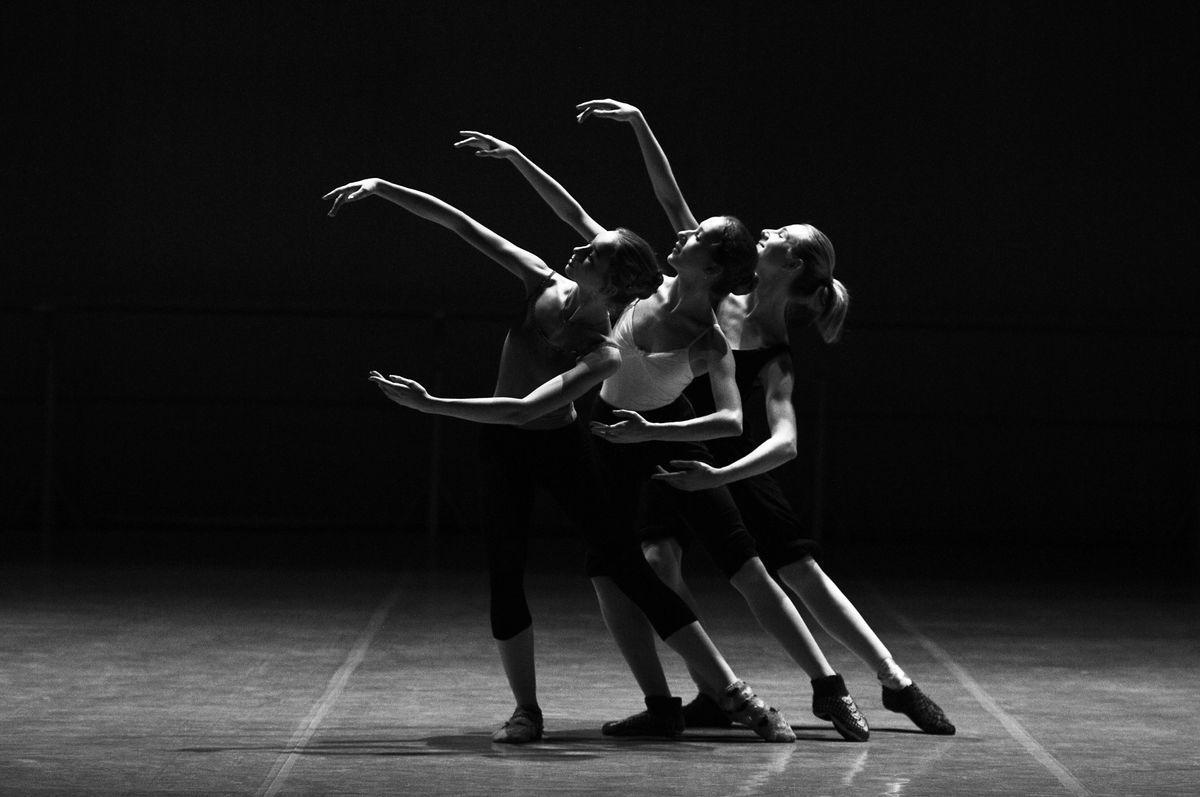
The relationship between routine and creativity is not a battle. It is a dance. Sometimes the routine leads. Sometimes the creativity leads. But they are always moving together. And if you can learn to dance with them, you can survive this city. You can even, on the good days, make something beautiful.
Frequently Asked Questions
How do I build a routine when my schedule changes every week?
Build a routine of anchors, not a routine of hours. Choose three or four small practices — a vocal warm-up, a journaling session, a walk, a stretch — and attach them to existing habits or times of day that are relatively stable. If your schedule shifts, the anchors shift with it. The key is consistency of intention, not consistency of clock time.
What if I miss a day? Does that ruin the routine?
No. Missing a day is part of the routine. The routine is a practice, not a performance. The goal is to show up more often than not. If you miss a day, do not punish yourself. Just show up the next day. The cumulative effect of showing up is what matters, not the perfect streak.
Can routine actually make me more creative, or will it just make me boring?
Routine can make you more creative, but only if it is a flexible routine. The purpose of routine is to reduce the cognitive load of daily decisions so that your brain has more energy for creative work. But if the routine becomes too rigid, it can stifle creativity. The solution is to build in deliberate disruption — try new things, change your environment, break your own rules occasionally. The routine is the container. The disruption is the air.
How do I balance a survival job with my creative routine?
This is the eternal question. The answer is to protect the non-negotiables. Sleep, food, movement, and a little bit of creative work every day. Even ten minutes. The survival job is necessary, but it is not your life. Your creative practice is your life. Treat it with the same seriousness you treat your shift. Show up for it. Clock in.
What Comes Next
This is the first in what I hope will be an ongoing series about the practical realities of being a performer in New York City. Next time, I want to talk about the economics of the between-gigs life: how to budget when your income is irregular, what to do when the unemployment runs out, and why the bodega egg sandwich is a legitimate financial strategy. Until then, keep showing up. Keep doing the boring thing. The magic is in the repetition.
